CREATIVE MUSEUM
Exploring Digital Art and Photography in Harmony
Exploring George Washington's Mount Vernon Estate
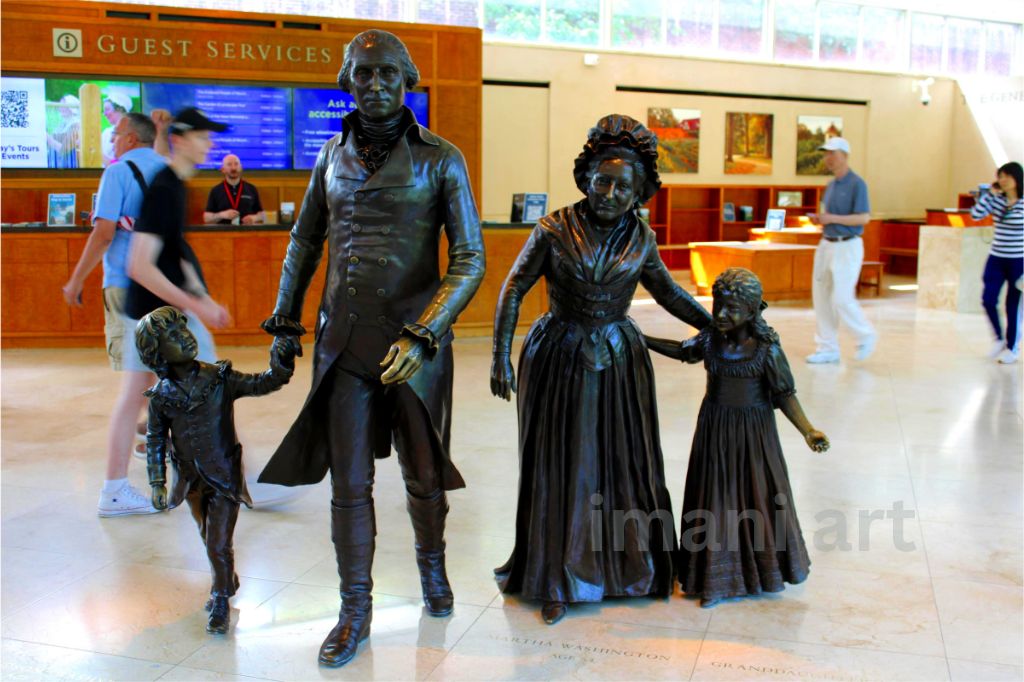
George Washington's Statue With Family
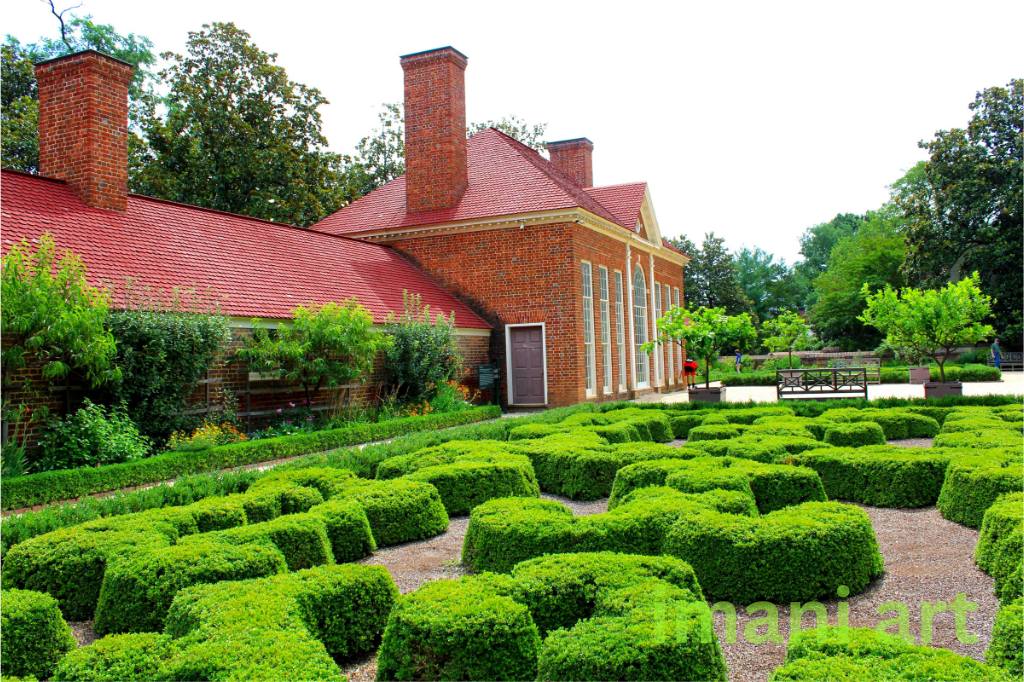
George Washington's Mount Vernon Garden
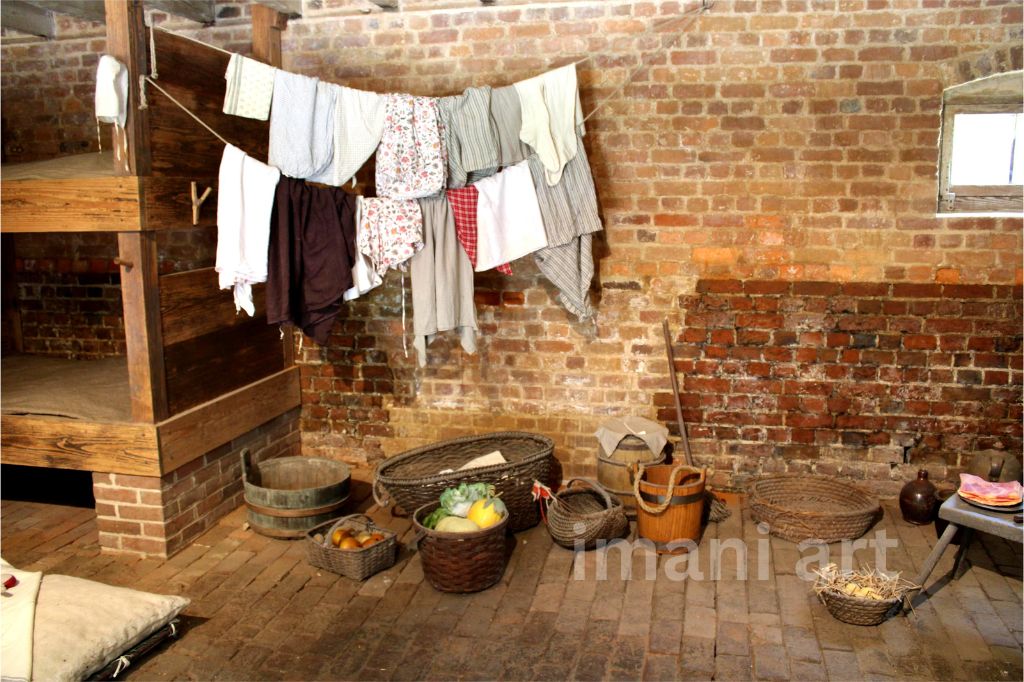
Slave Workers Quarters
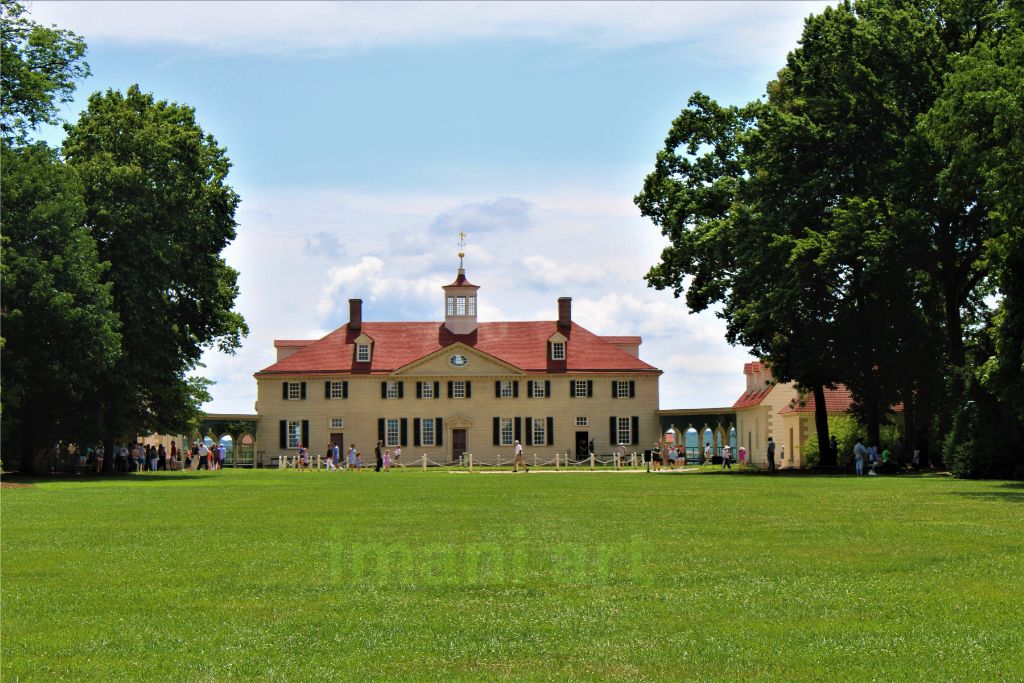
George Washington's Vernon Home
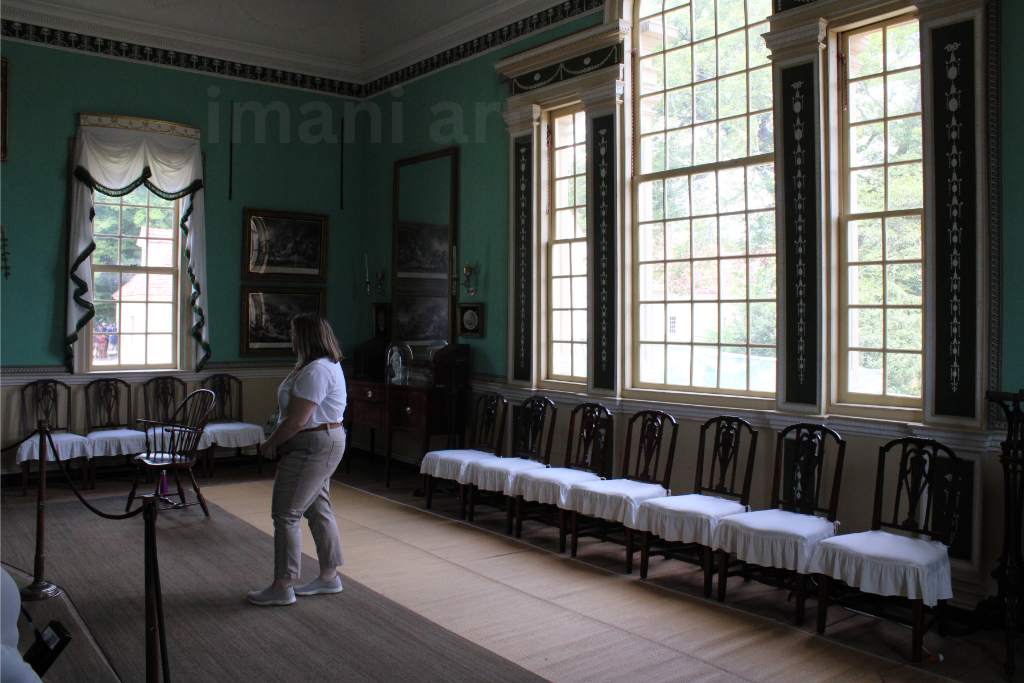
George Washington's room
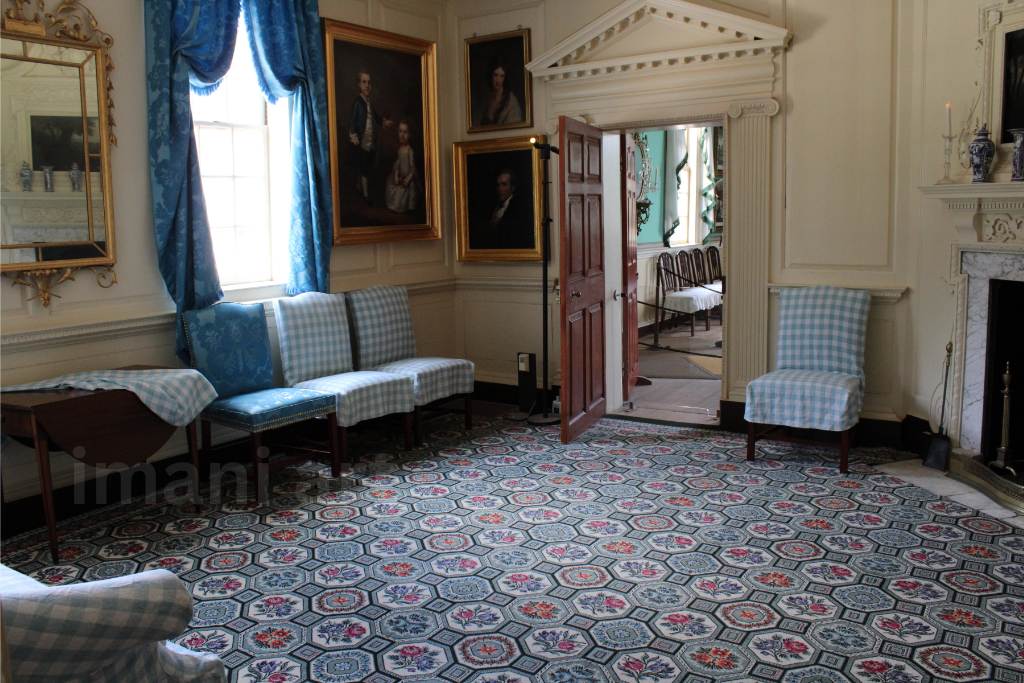
Mount Vernon Estate Sitting Room
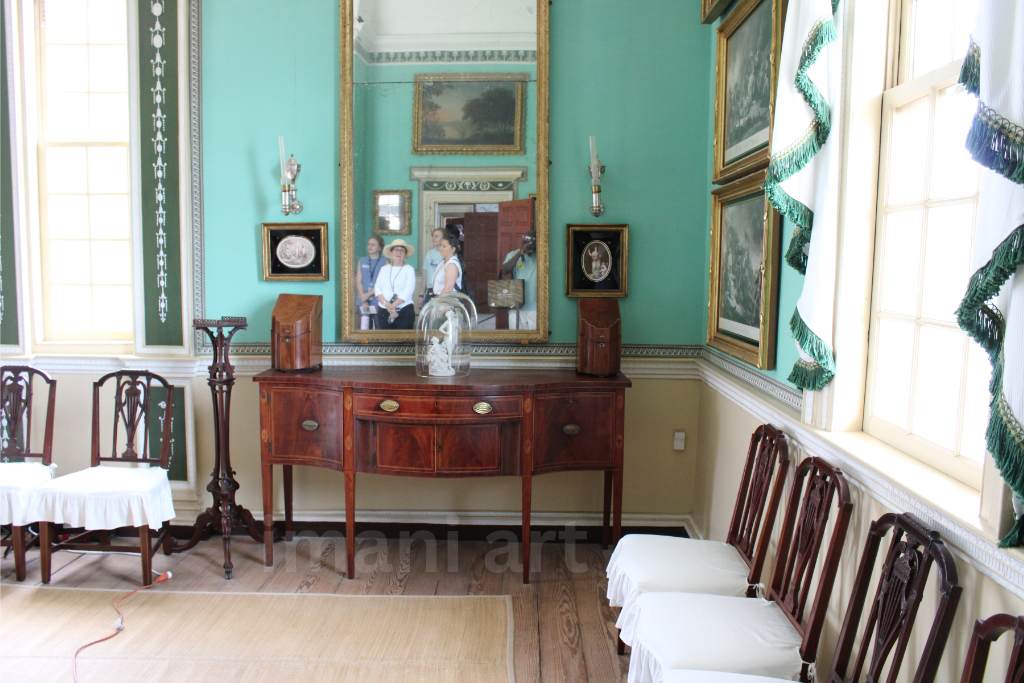
Visitors Sitting Room
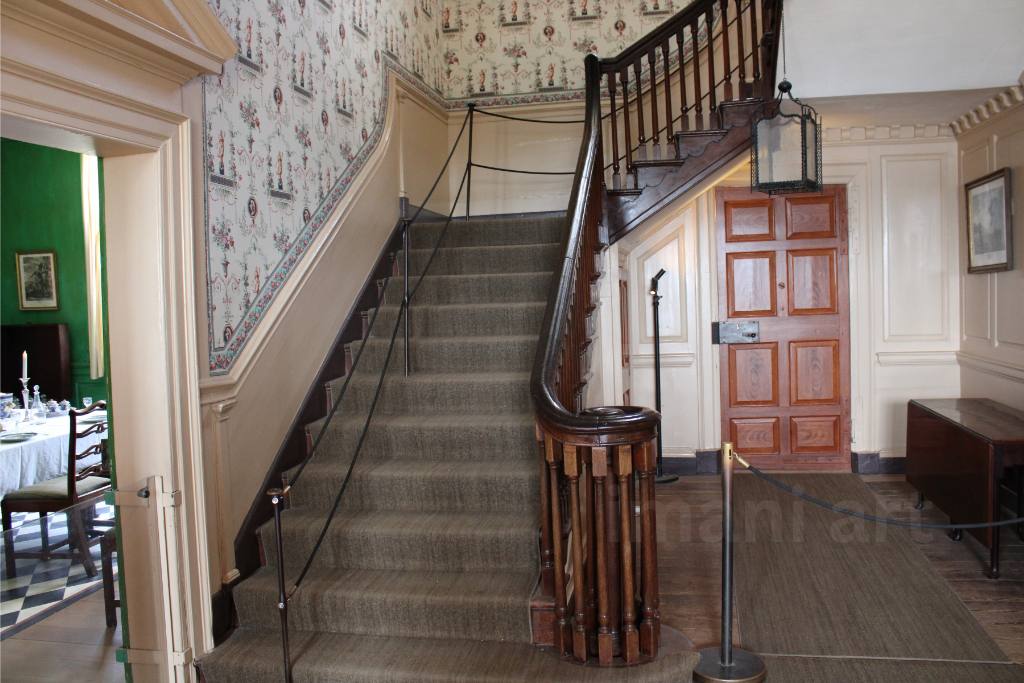
George Washington's House Stairs
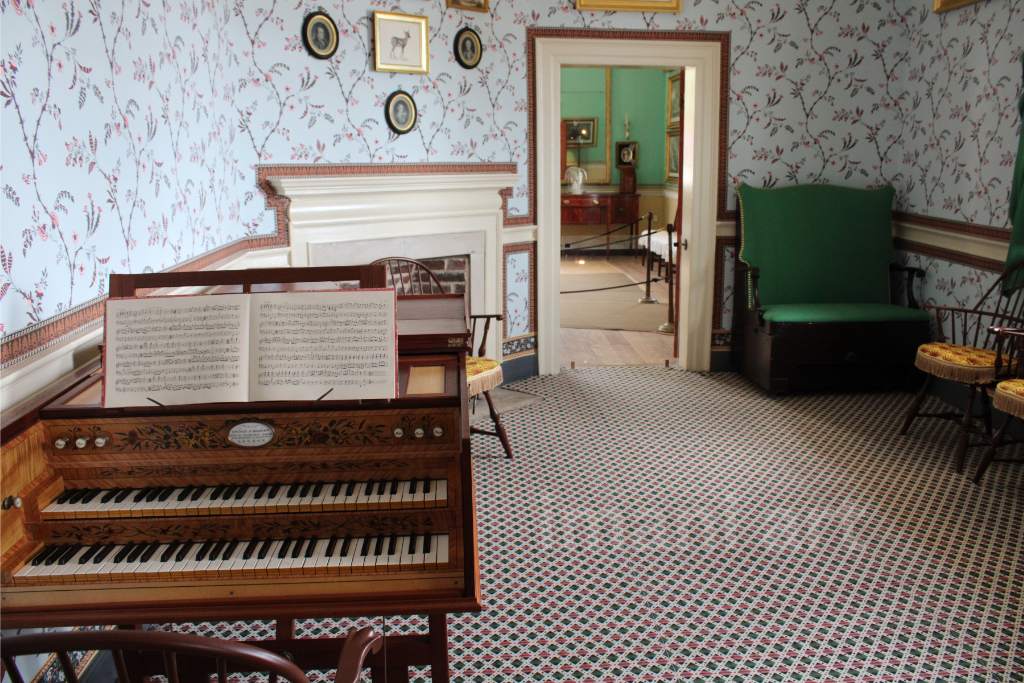
The Music Room
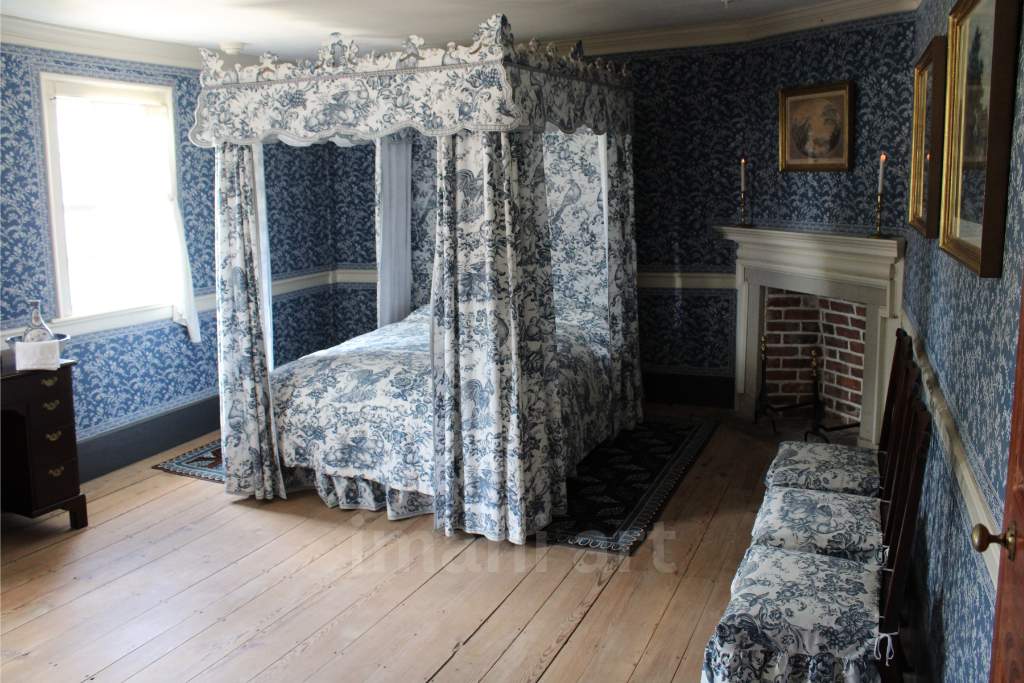
George Washington's Bedroom
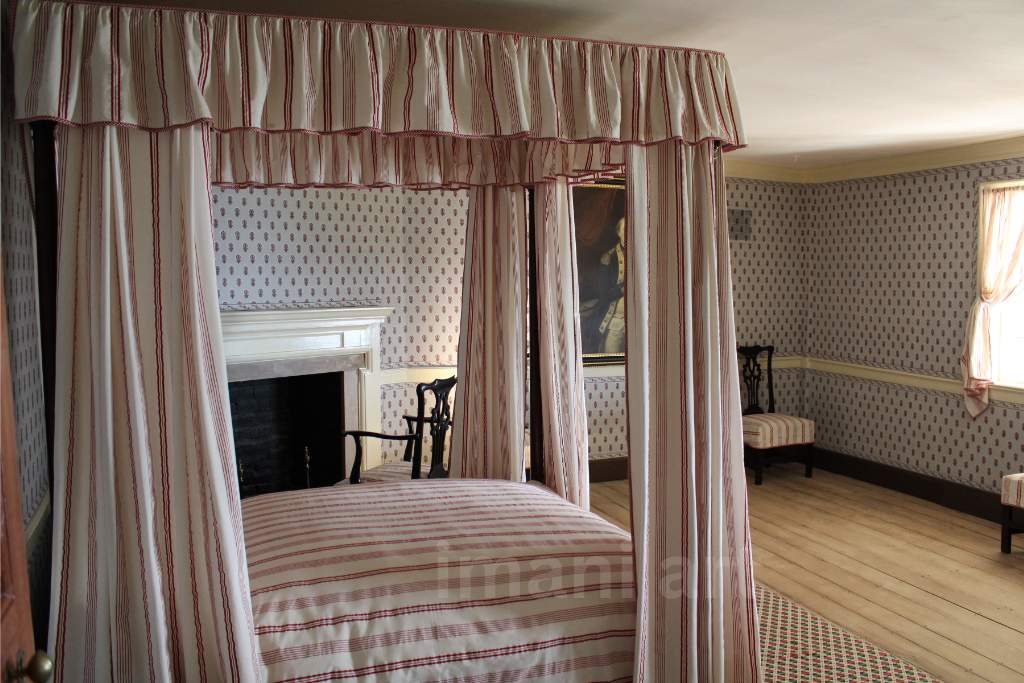
Bedroom For Guests
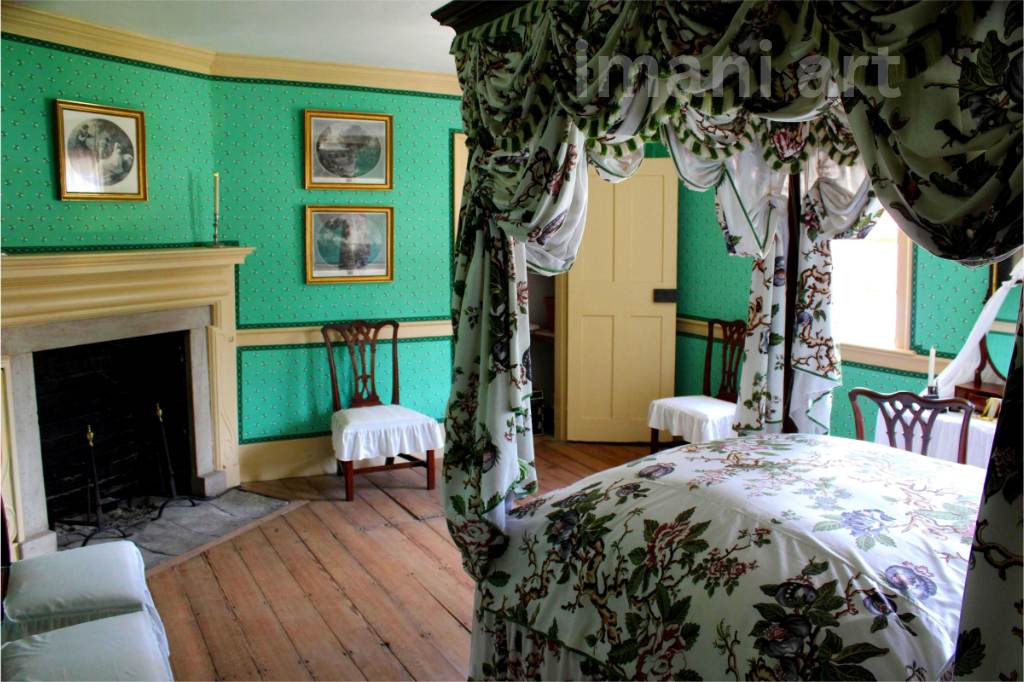
Extra Bedroom For Guests
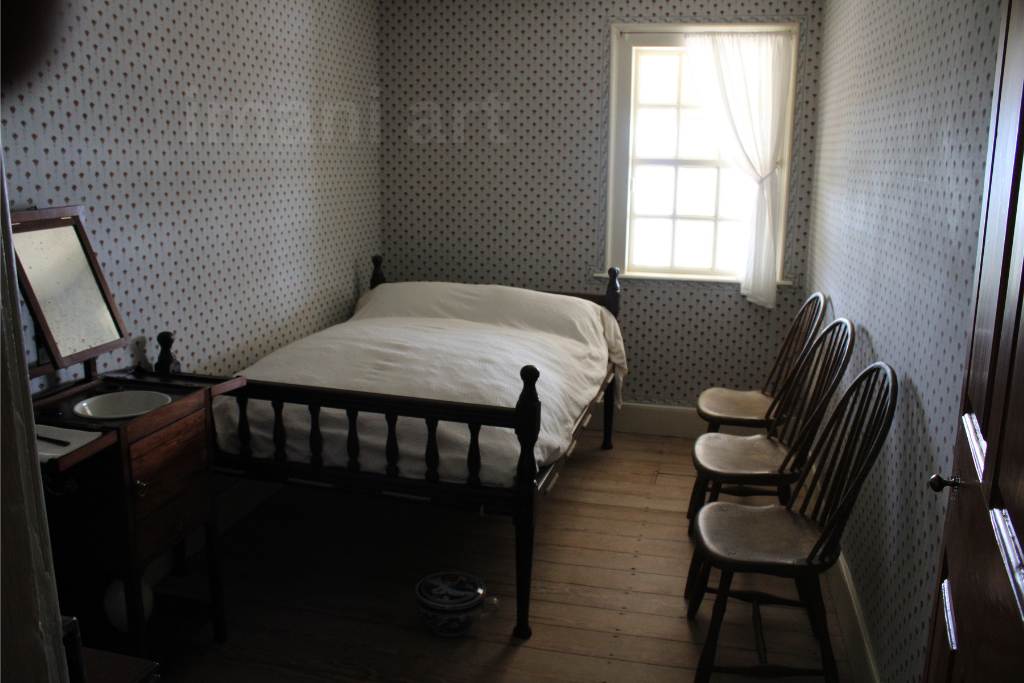
A Place For Rest
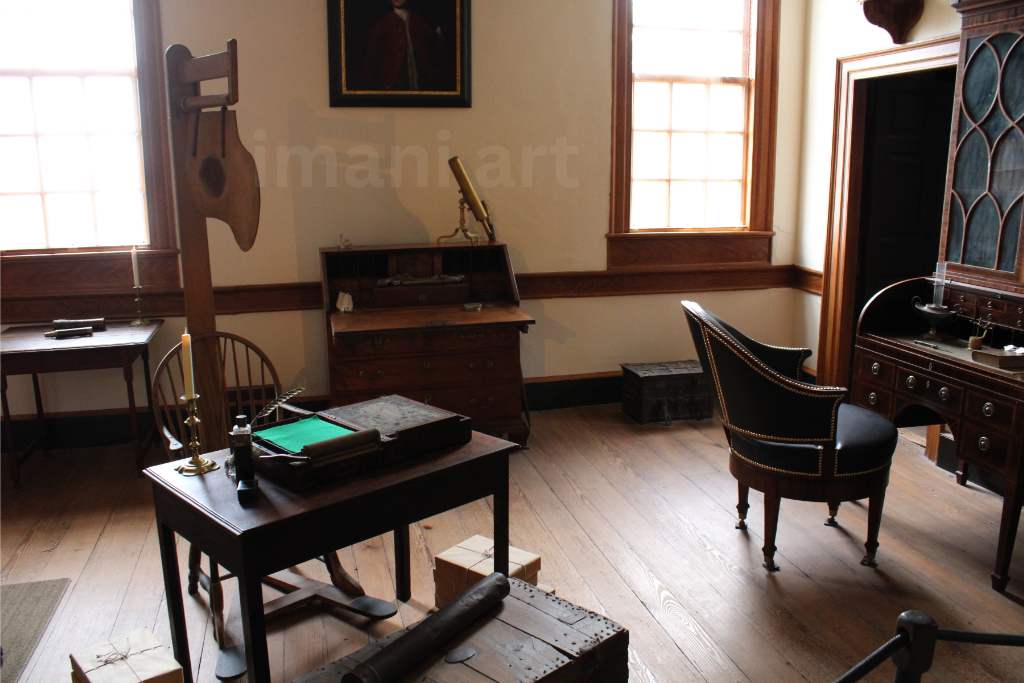
George Washington's Study Room
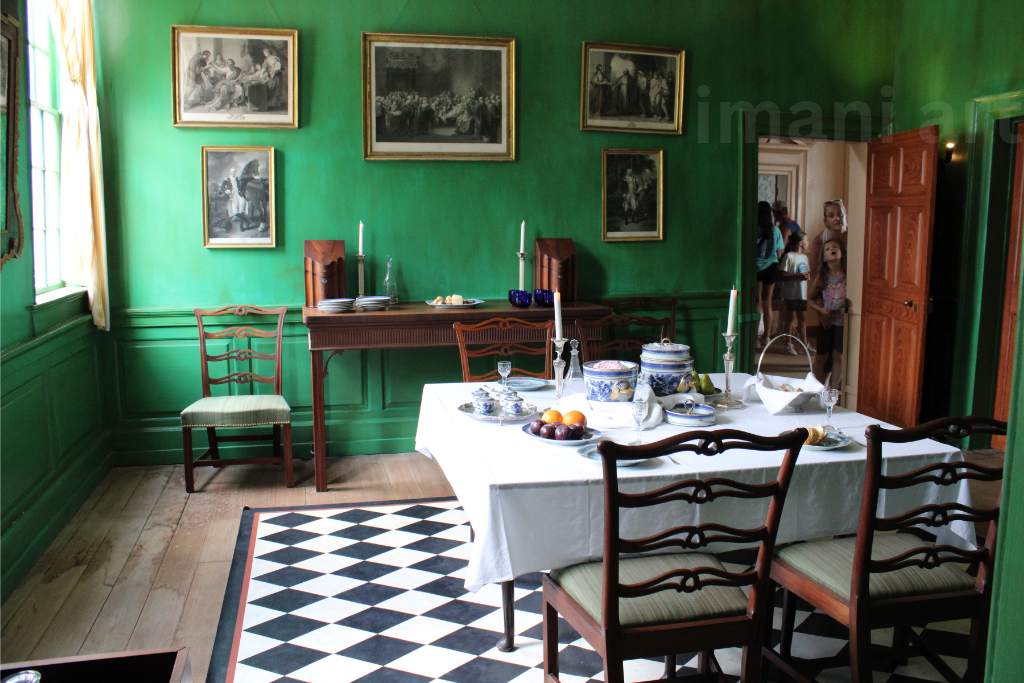
The Dining Room
Inside George Washington's Mount Vernon
The history of George Washinton's Mount Vernon Estate and his life:
George Washington is one of the most important figures in the history of the United States. He was born on February 22, 1732, in Westmoreland County, Virginia. His family owned farmland, and Washington grew up learning how to ride horses, work the land, and handle responsibilities from a young age. Even as a boy, he was known for being honest, hardworking, and calm under pressure.
As he grew older, Washington became a skilled surveyor. This job helped him learn about the land and the western territories. In his early 20s, he joined the Virginia militia, where he gained military experience. This prepared him for the major role he would play in the years to come.
Washington became famous during the French and Indian War. Although he faced many challenges and made mistakes, he learned from each experience. His leadership skills grew, and people began to trust him. This respect helped him enter politics, and he later became a member of the Virginia House of Burgesses.
By the 1770s, tensions between the American colonies and Great Britain were rising. Washington believed the colonies had the right to govern themselves. When the American Revolution began, the Continental Congress chose him as the commander-in-chief of the Continental Army. Washington faced many difficulties—his soldiers often lacked supplies, training, and warm clothing. Still, he encouraged his troops and kept the army together through some of the hardest times of the war.
George Washington’s Renewed Hope
One of his most famous achievements was the surprise attack on the British and Hessian forces in Trenton, New Jersey, in December 1776. This victory renewed hope across the colonies. Washington then led his troops to more successes until the final victory at Yorktown in 1781, when the British surrendered. His leadership helped secure America’s independence.
After the war, Washington wished to retire and return to his plantation at Mount Vernon. However, the country needed strong leadership. In 1787, he led the Constitutional Convention, where the U.S. Constitution was written. Many believed he was the only man trusted enough to guide the new nation.
In 1789, George Washington became the first President of the United States. He did not belong to a political party and tried to set an example of fairness. His leadership helped establish many traditions, such as forming a Cabinet of advisors. Washington focused on keeping the country stable, paying off debts, signing important treaties, and encouraging unity among the states.
Washington chose not to run for a third term, setting a tradition followed until the 20th century. He left office in 1797 and returned to Mount Vernon. He spent his final years farming, managing his estate, and supporting public projects. He passed away on December 14, 1799.
George Washington is often called the “Father of His Country,” not only for his leadership in war but also for his guidance during the early years of the United States. His honesty, character, and devotion to public service continue to inspire people around the world.
George Washington's Mount Vernon Home
George Washington’s Mount Vernon is the home and plantation where Washington lived for more than 40 years. It is located in Virginia, near the Potomac River. The mansion is a large wooden house painted to look like stone. Over the years, Washington expanded it from a small farmhouse into an elegant estate.
George Washington’s Mount Vernon: More Than A Home
Mount Vernon was more than a home. It was a working plantation with fields, gardens, workshops, and farms. Hundreds of enslaved people lived and worked there, growing crops such as wheat and tending livestock. Washington carefully managed the land, introducing new farming methods and caring for the environment.
Today, Mount Vernon is a historic site open to visitors. People can walk through Washington’s home, see his study, explore the gardens, and learn about daily life during his time. The estate helps people understand who Washington was—not just as a president and general, but as a farmer, businessman, and leader. Mount Vernon stands as a reminder of early American history and the legacy Washington left behind.